
There is no one-size-fits-all fix for drainage. Indeed, the right approach often comes down to three factors: the source of the water, the natural slope of the land, and how you use your outdoor space.
Effective drainage starts with a full site assessment to determine whether the water should be captured at the surface, diverted away, or managed through deep soil soaking.
At Sibley Landscapes, drainage forms part of the practical planning behind many landscaping projects in Somerset. Levels, paving, planting, lawns and groundwork all influence how rainwater behaves, so they need to work together!
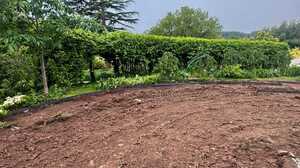
Slow drainage can affect lawns, patios and planting areas
Why clay soil can leave gardens waterlogged
Clay soil is composed of very fine particles that hold water longer than lighter, freer-draining soils. After persistent rainfall, the ground can become saturated, and water may remain close to the surface, particularly in low points or compacted areas.
Look at the pattern before deciding on a solution. Does water collect in one corner after heavy rain? Does the lawn stay wet long after the rest of the garden has dried? Is runoff moving towards the house or patio? Those clues will help identify what is causing the problem.
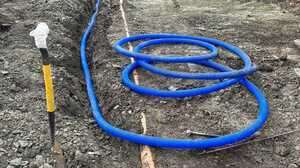
The layout of the garden influences where rainwater goes
Start with levels and surface water
Garden drainage often begins above ground. The falls and levels across patios, paths and lawns determine where rainwater travels, so a landscaping project should account for those routes before new surfaces are installed.
Patios should be laid with an appropriate fall so water moves away from buildings and towards a suitable drainage point. Channel drains can collect runoff along the edge of paving, while careful grading can stop water settling in dips across lawns or planted areas.
For a larger garden transformation, a reputable landscaping specialist that integrates garden design into its services will consider layout, groundwork, drainage, and structural elements together, helping to establish a practical direction before construction begins.
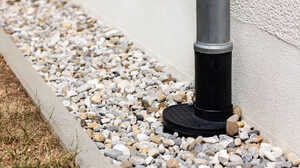
A practical way to intercept and redirect excess water
Could a French drain help?
A French drain is commonly used where groundwater or surface water repeatedly collects. It typically consists of a gravel-filled trench containing a perforated drainage pipe. Water enters through the gravel and pipe, then moves towards a suitable outlet.
French drains can work well along the edge of a lawn, beside a retaining wall or across parts of a garden that naturally receive runoff. The route, depth, and destination all require careful consideration, as shifting water to another low point can simply relocate the problem.
In a clay soil garden in Somerset, a French drain may be part of the solution, especially where there is a clear low point or an identifiable flow of water.
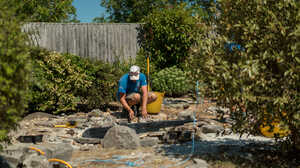
Some sites need several measures working together
Other drainage ideas for a waterlogged garden
Improving soil structure in planting areas can help create better growing conditions over time. Raised beds can lift planting zones above persistently wet ground, while suitable planting choices can make damp areas easier to manage.
Hard landscaping also needs a clear strategy for water. A professionally laid patio, paths, or seating area requires a properly prepared sub-base, suitable falls, and a place for runoff to go. Retaining walls may need drainage behind them to prevent water from building up in the surrounding ground.
Where the problem extends beyond the immediate landscape, more substantial work may be needed. Sibley Landscapes provides professional drainage services, including land drains, French drains, soakaways and surface water systems, alongside groundworks for projects requiring excavation or site preparation.
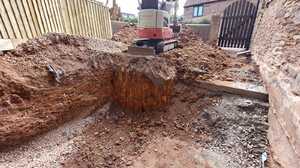
Clay-heavy ground needs careful assessment
When is a soakaway suitable?
A soakaway collects water and allows it to disperse gradually into the surrounding ground. It can be useful for managing runoff from hard surfaces, but clay-heavy soil can limit how quickly water infiltrates.
Ground conditions, available space, water volumes and the proposed location all need some thought before investing in a soakaway. In some gardens, another drainage route will perform better.
Certain drainage issues require specialist intervention before they escalate into costly property damage. A professional site assessment is recommended if surface water is pooling against your house walls, flooding large areas of your outdoor space, or recurring despite previous remediation attempts.
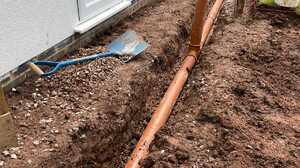
Early planning can prevent disruptive changes later
Think about drainage before landscaping begins
Drainage is easier to address when it is considered at the same time as the wider landscaping. Once patios, retaining walls, paths, lawns and planting areas are complete, changing levels or installing underground drainage can become far more disruptive.
During a full landscaping project, existing levels can be reviewed, and drainage routes can be incorporated beneath or alongside new features before the visible finishes go in.

Ready to tackle a soggy garden in Somerset?
If your lawn, patio or planting areas struggle with standing water through autumn and winter, early planning can help you address the cause before further landscaping takes place.
Sibley Landscapes works across Somerset and the wider South West, combining practical groundwork, drainage considerations and high-quality landscaping to create outdoor spaces that perform well throughout the year. Get in touch to discuss your garden and arrange a quote.
Let’s Discuss Your Garden ProjectRecent Landscaping Projects
Posted on September 15th 2026


 Updating page...