
A logical place to start, as budgets shape all those key decisions from layout and materials to levels, drainage, and the overall scope of works being planned.
For most homeowners, the most useful way to think about landscaping costs is in layers.
There are the visible finishes, such as paving, decking, planting, and walls – as well as those all-important structures underneath, including excavation, sub-base preparation, drainage, edging, and access logistics.
And it’s those hidden elements that often decide whether a garden still looks and performs as it should in the long-term.
At Sibley Landscapes, planning and design input are an important part of the landscaping process. The focus is always on how the space can be built well, used properly, and made to last.
If you are budgeting for a 2026 garden project, this guide gives a practical framework for understanding what affects cost and how to plan realistically.
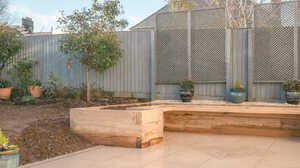
What does garden landscaping cost in 2026?
Published pricing guides can be useful for general context, but they do not always represent the type of work required on larger gardens or more complex sites.
For homeowners in Somerset and Devon, it is usually more helpful to think in terms of overall project scope and finish level rather than headline averages.
Most substantial landscaping projects are a significant investment, with costs shaped by the amount of groundwork and labour involved, the technical requirements of the site, and the quality of materials and detailing.
As a general planning guide, smaller standalone works, such as a single patio area or limited garden upgrades, may sit at the lower end of the scale, while more complete reworks with multiple elements, improved structure, and better flow through the garden typically fall into the tens of thousands.
Full garden transformations with level changes, retaining work, drainage integration, premium finishes, and bespoke features often sit in the higher five figures, and can go well beyond that depending on the size and complexity of the site.
It’s important to remember that these are only planning ranges, not quotations. The only reliable way to price a project properly is through a site-specific conversation and quote.
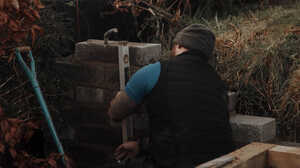
Typical 2026 pricing approach by project element
It is natural to look for per-square-metre figures, but these can be misleading when taken out of context.
National benchmarks rarely account for the realities that affect many projects in Somerset and Devon, such as difficult access, sloping ground, drainage correction, retaining structures, excavation volumes, and the level of finish expected on high-quality builds. They also tend to understate the cost of skilled labour, which is a major part of delivering a robust, well-finished result.
Paving costs, as one example, can vary significantly depending on the material, laying pattern, edge detailing, ground preparation, and site conditions. The same applies to decking, walls, steps, and planting works. Two gardens with a similar footprint can end up with very different costs once the build requirements are properly assessed.
This is why Sibley Landscapes focuses on the full project scope and site conditions rather than relying on generic per-square-metre pricing.
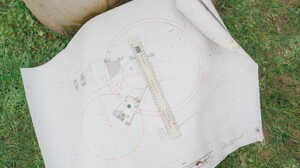
How to budget realistically in Somerset and Devon
A clear way to avoid budget drift is to set priorities early and align your ideas with a realistic build scope.
Start with the garden's core structure, including levels, drainage, surfaces, and circulation. Once that foundation is clear, you can shape the visual layer through planting, detailing, lighting, and secondary features.
It can also be very useful to involve planning and design input early in the process, before moving into build discussions. This helps ensure the ideas for the space are achievable within your budget and that the project is grounded in what is practical.
If you are working to a defined budget, phasing can be a sensible approach. Completing the structural groundwork and hard landscaping first, then planting and secondary features in a later stage, can protect the overall direction of the project while spreading the investment.

How Sibley Landscapes pricing works
Sibley Landscapes provides site-specific quotations based on the scope of work required to deliver a high-quality and long-lasting result. Pricing always works on a quote-by-quote basis and is shaped by your site, your priorities, and the level of finish you want to achieve.
The process usually starts with an initial conversation about your goals, budget range, and timescale. From there, a site review helps assess levels, access, drainage, and any existing constraints. Once the scope is clear, Sibley can build a quotation around what is realistically needed for the project, along with programme planning based on lead times, season, and site logistics.
This approach gives you a much more grounded picture of cost than generic online pricing and helps avoid surprises later in the build.
A typical quoting process includes:
- Initial discussion about goals, budget range, and timescale.
- Site review to assess levels, access, drainage, and existing constraints.
- Scope definition so the practical build elements and finishes are clear.
- Programme planning around lead times, season, and site logistics.
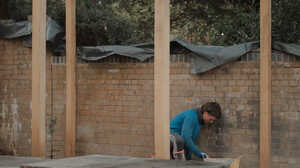
Should you get a quote now or wait?
If you are aiming for completion in late spring or summer, it is usually better to start planning early. Material lead times, contractor availability, and weather windows can all affect start dates across Somerset and Devon.
Getting in touch earlier also gives you more control over the project. It allows time to refine the scope, align expectations around budget, and make decisions in the right order before peak demand.
Next step for your project
If you are currently researching garden landscaping costs in Somerset or Devon, the most useful next step is a site-specific quotation based on your layout, levels, access, and priorities.
Get in touch with Sibley Landscapes to discuss your project, or explore the relevant services below.
Posted by Luke Clark on February 25th 2026


 Updating page...