
Both options can work beautifully in Somerset gardens. A patio provides a solid, durable surface for dining and seating, while decking adds warmth and structure – particularly in gardens with awkward levels or views worth capturing. In many spaces, the best result comes from a thoughtful combination of both.
At Sibley Landscapes, our team creates high-quality outdoor spaces across Somerset and the South West. We bring together practical landscaping, hard materials, planting, and drainage to ensure every detail suits your specific garden.
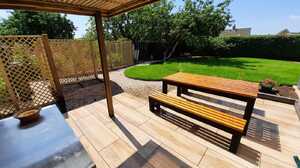
Patio vs decking: what is the difference?
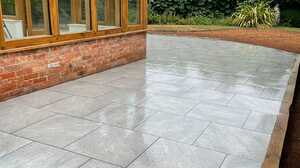
Patios are typically constructed from stone, porcelain, brick, or concrete paving – providing a firm, level surface that integrates seamlessly with your home. They are ideal for high-traffic areas such as outdoor dining zones, seating nooks, and primary garden pathways.
Decking is built from timber or composite boards on a solid frame. Because it can be raised or tiered, it is particularly effective for navigating sloping gardens – split levels – or creating distinct, elevated seating areas.
Of course, the visible finish is only part of the story. The underlying base, drainage, and installation methods are what truly determine how your space performs – and looks – in the years to come.
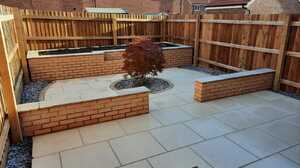
When a patio works best
A patio is a robust option if you are looking for a long-lasting, low-maintenance surface that feels completely stable underfoot. It is perfectly suited to the demands of a busy family garden – from heavy outdoor furniture and seasonal pots – to everyday use throughout the year.
In Somerset, patios are particularly effective for properties that require better structure. Many rural homes and older plots across the county struggle with uneven ground or poor drainage – issues that a well-engineered patio can resolve. By planning the groundwork carefully from the start, we can transform even the most awkward space into a functional, level area.
The materials you select will define the character of your garden. Natural stone is a timeless aesthetic for country homes and period properties – whereas porcelain offers a sleeker, more contemporary finish. For a more traditional touch, using brick, setts, or cobbles can help tie the new space into your home’s existing walls and pathways.
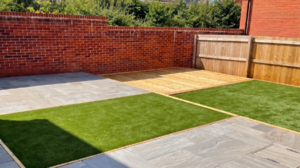
When decking works best
Decking is an excellent choice when you want to introduce warmth, height, or a more relaxed, organic feel to your landscape. It creates a seamless transition from your home into the garden – especially in properties where internal floor levels sit higher than the outside space.
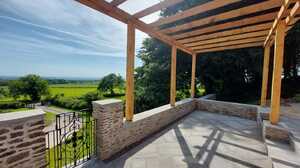
It is also a highly effective solution for sloping sites. Rather than relying on extensive excavation, decking allows us to build a level seating area over uneven ground. For Somerset homes blessed with countryside views – a raised deck can elevate your perspective – providing the perfect spot to sit, eat, and unwind.
Timber decking offers a classic, natural finish that matures beautifully over time – whereas composite boards provide a more consistent look with significantly less maintenance. The right choice depends on your garden’s style – how exposed the site is to the elements – and the amount of upkeep you are happy to provide.
Patios vs. decking - which lasts longer?
A professionally installed patio typically offers the longest lifespan. With a robust sub-base, high-quality materials, and effective drainage, a patio will last for decades, requiring only minimal maintenance.
While decking can also be long-lasting, its durability depends heavily on the materials and construction methods used. Timber requires ongoing care, ventilation, and treatment to stay at its best – whereas composite decking is naturally more resistant to rot and weathering. However, even composite boards require a solid, well-ventilated frame to perform properly.
For both options, the work hidden beneath the surface is the most critical factor. Weak foundations, trapped moisture, or poor drainage will inevitably shorten the life of your investment – making expert installation essential from day one.
Patios vs. decking - which is easier to maintain?
Patios are generally the easier option to maintain. A simple sweep, occasional wash, and a deeper seasonal clean will usually keep a quality patio looking smart – even after a harsh winter. While certain materials require more attention, and shaded spots can sometimes attract algae, the ongoing upkeep remains relatively straightforward.
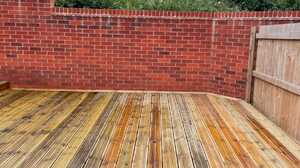
Decking requires a little more commitment, particularly if you opt for natural timber. It will need periodic cleaning, treating, and checking for movement to stay in top condition. In damp or shaded areas, boards can become slippery if neglected, making regular care essential for safety. Composite decking reduces the workload significantly, though it still benefits from a routine clean to keep the surface clear.
If low maintenance is your priority, a patio or high-quality composite deck will be the most practical route for your garden.
Patios vs. decking - which is better for drainage?
Drainage should be a primary consideration when choosing between the two surfaces. Somerset gardens are frequently shaped by wet weather, heavy clay soils, and sloping terrain, meaning water movement must be planned with precision.
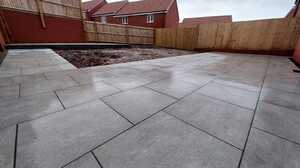
A patio must be installed with the correct fall so that water drains away from the house rather than pooling on the surface. Depending on the layout of your garden, this may involve drainage channels, soakaways, or permeable materials, ensuring seamless integration with your lawns and borders.
While decking allows water to pass between the boards, the ground beneath still requires careful attention. If the sub-structure remains damp or poorly ventilated, the frame can suffer over time. The best choice ultimately depends on your specific site – a patio excels where drainage can be tightly controlled – whereas decking offers a clever solution for uneven ground, provided the structure is built to handle the conditions.
Patios vs. decking - which costs more?
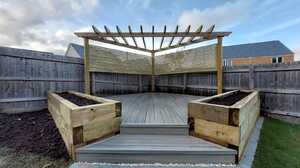
Total costs are influenced by the size of the area, site access, and the complexity of the build, as well as your choice of materials and groundwork. While a simple timber deck may initially cost less than a premium paved patio, a raised composite deck featuring steps and balustrades can often represent a higher investment than a straightforward stone surface.
Patio pricing typically increases when significant excavation, retaining walls, or advanced drainage systems are required – or when opting for luxury materials. Conversely, decking costs rise when the sub-frame is complex, the platform is significantly elevated, or the garden presents the team with challenging access.
Ultimately, the most useful comparison is the total project cost rather than the price of the surface material alone. A cheaper initial option may not provide the best long-term value – especially if it doesn’t account for your garden’s specific ground conditions.
Planning a patio or decking project in Somerset?
If you are weighing up the benefits of a patio vs decking for your Somerset garden, start by considering how you want the space to function.
Once you have a vision for your lifestyle, the ideal material, structure, and layout can be shaped to suit your home’s architecture, your garden’s unique conditions, and your personal maintenance preferences.
Sibley Landscapes is here to help you explore the best options for your outdoor space. We take pride in building gardens with absolute care; managing everything from the initial groundwork and drainage, through to the final patios, decking, planting, and finishing details.
Posted by Luke Clark on May 11th 2026


 Updating page...