
When every square inch counts, considered planning and structure can turn a tight plot into a generous, high-functioning outdoor room; a space that feels smart, attractive, and – above all – easy to live with.
Here at Sibley Landscapes, we regularly work with homeowners who feel stuck with a garden that seems too narrow, too shaded, or too awkwardly shaped to use to its full potential.
It’s a particularly common challenge in both townhouse gardens, where width can be limited, and neighbouring properties sit close by – and new-build gardens, where outdoor spaces often begin as nondescript rectangles with basic fencing and little character.
With the right approach to landscaping, however, those constraints can be turned into a garden layout that feels far more intentional and usable.
Get in touch today to start your townhouse garden project in Somerset
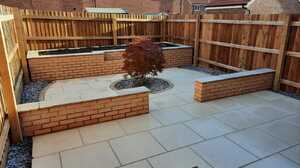
The importance of structure in small gardens
A compact space benefits from clarity.
In a larger garden, the odd loose edge or underused corner can be afforded without compromising the overall layout. In smaller spaces, each section is critical to the overall effect.
Paths, patio sizes, planting beds, seating areas, storage, and boundary treatments all need to work in unison to make the space feel deliberate and balanced.
The most successful small garden projects in the UK, then, typically focus on structure before any aesthetic decoration. The paving layout, changes in level, the shape of the beds, and the position of the key features all shape how the garden feels. Once that framework is aligned, the materials and planting sit more naturally, and the whole space becomes cohesive.
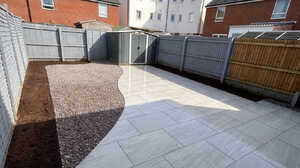
How do you want your small garden to be used?
A super effective way to improve a small garden is to be honest about how you want to use it.
Many homeowners simply want a low-maintenance space for sitting out with friends; others require room for children to play, practical access for bins and bikes, or a layout that suits a dog.
A clear brief guides each decision. If dining outdoors is the priority, the patio needs to be planned around the table size and the route in and out of the house. If planting is the focus, it helps to dedicate more of the footprint to beds with shape and depth, rather than covering everything with paving. If storage is constantly getting in the way, built-in solutions or a carefully placed structure can free up valuable space.
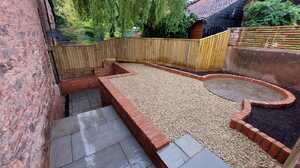
Make awkward levels and shapes work for your garden
Many smaller gardens in Somerset come with practical quirks. A new-build plot may slope away from the house. A townhouse garden may be long and narrow, with a pinch point halfway along or a boundary that sits at an angle. While such features can feel like limitations, they are often the catalysts for a more inventive, structured design.
A narrow garden can be visually widened by breaking up the run of paving, adjusting the line of the beds, or introducing subtle changes in direction. Diagonal or curved elements can sometimes soften a rigid footprint.
It’s here where practical landscaping experience makes all the difference. Drainage, retaining work, and groundwork all need to be considered at the earliest possible stage so the finished garden lives up to its aesthetic promise and performs well throughout the seasons.
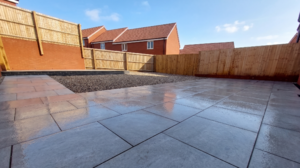
Carefully considered material palette
Small spaces usually benefit from restraint in material selection; too many finishes can make the garden feel busy, particularly in tighter plots where every detail is visible. A more limited palette often creates a cleaner, more spacious feel.
Texture and variation still have their place, of course, in your choice of natural stone, brick, gravel, timber, and planted areas. The key is to ensure those choices feel connected.
A townhouse garden in Bath may suit traditional paving, brick detailing, and softer planting that complements the property’s age. A newer home may benefit from simpler lines, larger-format paving, and a more pared-back finish that complements the architecture. In both cases, the materials should help the garden feel settled and coherent.
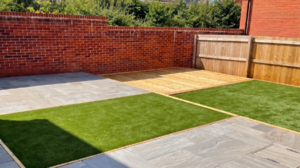
Planting brings softness and depth to smaller plots
While hard landscaping provides the framework, it's often the planting that gives a small garden its character and a sense of relief from the sterner lines of paving and walls.
An effective approach is to give the planting enough room to have presence. That could be layered beds with a mix of height, leaf shape, and flowering periods, which typically create a richer finish.
Vertical planting can also work well in smaller gardens, particularly where the footprint is limited. Climbers, pleached forms, and carefully positioned screening plants can all help add height and privacy without taking over the ground plane.
For homeowners looking for a garden landscaper in Somerset, planting is often one of the areas where the finished result is won or lost. The planting needs to suit the site conditions, the level of maintenance you require, and the wider feel of the garden.
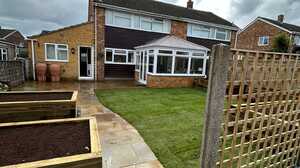
Privacy can be improved without closing the space in
Overlooking is one of the most common frustrations in townhouse and new-build gardens. Rear windows, close boundaries, and compact plots can leave homeowners feeling exposed, even in an otherwise attractive space. Privacy needs careful handling so the garden still feels open and welcoming.
Screening can be achieved through fencing details, slatted panels, planting, pergolas, or a combination of these elements. The best solutions usually provide a sense of shelter while still allowing light through and maintaining visual depth. A selective approach helps shape views where needed and keeps other areas lighter and more open.
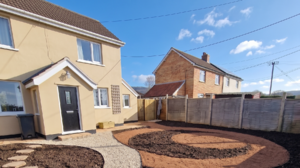
When to speak to a landscaper about a small garden project
If your garden feels awkward, cramped, or underused, it is worth having an early conversation with a landscaper. Small gardens still need careful planning, and many of the best ideas depend on getting the groundwork, levels, access, and structure right from the start. This is particularly true if the project involves drainage, retaining work, steps, walls, built-in seating, or extensive paving.
At Sibley Landscapes, garden design is an integral part of the landscaping process. We help homeowners shape spaces that work in practice, then build them with the right materials, detailing, and finish for the setting.
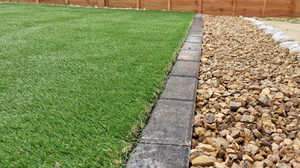
Ready to improve a small garden in Somerset?
A small garden can become one of the hardest-working parts of the home when the layout is carefully considered, and the build is handled with care.
Clean structure, practical garden features and structures, well-judged planting, and a layout that suits the property all work together to make the garden feel more spacious – transforming it into a truly usable extension of the home.
If you are planning a smaller garden project in Somerset, take a look at our Garden Design page or browse our recent projects for inspiration from completed landscaping across the South West.
When you are ready to discuss your own space, get in touch with Sibley Landscapes to start the conversation.
Start your townhouse or new build garden project in Somerset
Posted by Luke Clark on April 14th 2026


 Updating page...