
Fortunately, a little forward planning can make all the difference. Evergreen foliage and well-positioned shrubs can create a reliable backbone for your borders, while introducing solid structural features can help the garden keep its visual appeal long after the leaves have fallen.
At Sibley Landscapes, we work with homeowners across Somerset and Devon to design and build gardens that perform throughout the seasons, creating outdoor spaces that hold their presence and structure.
A strong foundation for year-round interest
Creating structure with evergreen planting
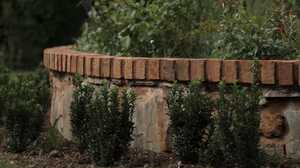
Evergreen plants can anchor a winter garden, holding onto their foliage long after neighbouring perennials have gone dormant. Positioned with care, they bring a welcome sense of permanence to the landscape by outlining garden borders and framing key pathways throughout the year.
For Somerset gardens, traditional options such as yew and holly can provide attractive, long-lasting structure. Yew is particularly effective for formal hedging and shaped features, while holly offers glossy foliage and, where conditions allow, colourful berries during the colder months.
Smaller evergreen shrubs, including Sarcococca (sweet box), Viburnum tinus and Skimmia, can also contribute to winter interest, with varied foliage, shapes and flowering periods that provide plenty of opportunities to introduce character into planting schemes.
The key is choosing plants that suit the garden's conditions and available space. Soil type, exposure, drainage and eventual plant size should all influence the selection, particularly in Somerset's varied rural and residential landscapes.
Privacy, shelter and natural boundaries
Using hedges to define your garden
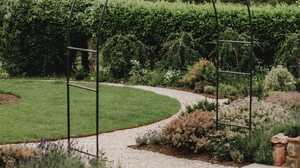
A well-established hedge can provide a beautiful backdrop to a garden throughout the year, along with the practical benefits of privacy and protection from prevailing winds.
Evergreen hedging is especially useful in gardens where boundaries become exposed during winter. Yew, holly and certain varieties of Elaeagnus can provide reliable coverage, although their suitability will depend on the location and intended height.
For more informal gardens, mixed hedging can add seasonal variation, combining evergreen coverage with plants that produce flowers, berries, or attractive autumn foliage.
Hedges also provide valuable shelter and habitat for garden birds and other wildlife. Choosing suitable species and allowing them to establish properly can help support a healthy garden environment through the seasons.
Our tree and hedge services include planting, maintenance and shaping, helping homeowners establish attractive boundaries that complement the surrounding landscape.
Plants that brighten the colder months
Bringing colour and texture into winter borders
Winter colour can come from several unexpected places. Flowers, berries, stems and foliage all contribute to an interesting planting scheme, particularly when positioned against darker evergreen backgrounds.
Dogwoods, particularly varieties of Cornus sanguinea, are excellent examples. Once their leaves have fallen, their brightly coloured stems become an eye-catching feature, with shades ranging from orange and red to deep crimson.
Winter-flowering plants bring colour and scent to the garden during the quieter months; hellebores produce delicate flowers, and winter-flowering heathers add low-growing colour to suitable sunny borders. Sweet box, meanwhile, is especially appealing near entrances and pathways, where its small, fragrant flowers can be appreciated.
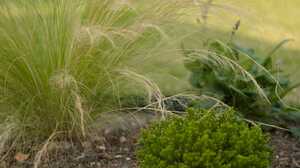
Ornamental grasses can also contribute movement and texture. Their dried flower heads and upright stems catch low winter sunlight, although some varieties may need protection or tidying as the season progresses.
Combining plants with different heights, shapes and textures helps create a balanced scheme that continues to look attractive as the seasons change.
Structure beyond the planting
Making the most of garden landscaping in winter
Planting plays an important role in winter gardens, but the layout and construction of the space have an equally significant influence on its appearance.
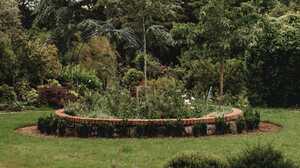
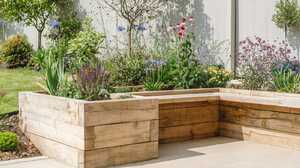
Well-defined pathways, attractive stonework, raised beds and carefully positioned garden features provide much-needed visual structure throughout the year. During winter, when planting becomes less dominant, the quality and arrangement of these elements become particularly noticeable.
Our formal garden transformation in Over Stowey shows how carefully constructed circular planting beds, defined borders, and a balanced layout can create a strong framework for seasonal planting.
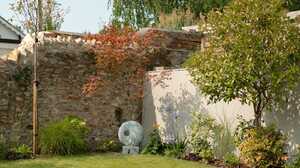
Natural stone and reclaimed materials can also bring warmth and texture to the garden. In our Stoke St Gregory garden transformation, existing limestone paving and Lias stone were incorporated into new walls, pathways and garden features, preserving the property's traditional character.
Such features provide lasting definition, giving the garden an attractive framework that remains visible throughout winter.
Considering soil, drainage and exposure
Choosing plants for Somerset's winter conditions
Somerset's landscape varies considerably, from sheltered town gardens to exposed rural properties. Ground conditions can also differ between neighbouring gardens, making careful plant selection particularly important.
In areas with heavier soils, prolonged winter rainfall can leave the ground saturated. Some evergreen plants tolerate such conditions better than others, so improving drainage or selecting alternative species may be necessary before planting.
Exposure is another consideration. Gardens facing strong winds or sitting in colder, elevated locations may require hardier shrubs and more sheltered planting positions.
A successful planting scheme starts by understanding how the garden behaves throughout the year. Our garden design and landscaping service takes practical factors into account, so that planting, drainage, groundwork and structural features all work together.
Creating a garden that welcomes nature
Supporting wildlife through the winter months
Winter planting can provide valuable resources for wildlife. Berry-bearing shrubs offer food for birds, while established hedges and dense evergreen foliage create sheltered places during colder weather.
Holly, hawthorn and other suitable native plants can be particularly beneficial, depending on the garden's setting. Leaving some seed heads standing through winter can also provide food for birds and shelter for insects.
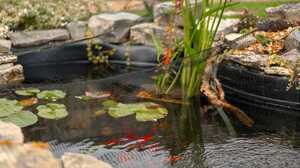
Water features and ponds add another dimension to wildlife-friendly gardens, particularly when they are surrounded by varied planting and natural materials.
Our wildlife pond project in Curry Rivel is a good example of how thoughtful landscaping and planting can introduce a dedicated wildlife habitat while enhancing the wider garden.
Speak to our experienced local landscaping team
Planning a garden with year-round appeal
The most effective winter gardens are planned with every season in mind. Paying attention to evergreen structure, seasonal planting and permanent landscaping features helps create a space that develops naturally throughout the year.
At Sibley Landscapes, our experienced team brings together landscaping knowledge, horticultural experience and skilled craftsmanship to create gardens suited to their surroundings.
If your garden feels somewhat empty during the winter months, or you are considering a larger transformation, we can help you explore planting and landscaping improvements that will provide lasting interest.
Posted by Luke Clark on November 13th 2026


 Updating page...